Navigating the Holiday Season with Kids: A Parent's Guide to Connection and Calm

The holiday season arrives with excitement, anticipation, and often, a lot of pressure.
There are celebrations to plan. People to see. Gifts to buy (or not). Traditions to uphold. And through it all, the quiet hope that somehow, this season will feel meaningful for your children.
But between the chaos and the expectations, the holidays can become more stressful than joyful, for both you and your kids.
Your kids won't remember whether everything went perfectly. They'll remember how it felt to be part of something. To belong. To help. To be with people who love them.
This season is one of those rare pauses, a chance to slow down, gather close, and build memories that stick. Not because they're picture-perfect, but because they're real.
Here's how to make those moments count.
Coping Ahead: Preparing Your Family for the Season
The holidays bring more stimulation, disrupted routines, and higher expectations than most kids are used to. Even excitement can tip into overwhelm when there's too much happening at once.
A little preparation can make a significant difference.
1. Preview What's Coming
Give your child a clear picture of what to expect during holiday gatherings or events.
You might say:
"Tomorrow we're going to celebrate with Grandma's family. There will be about 15 people there, and we'll eat dinner together. After dinner, the cousins usually play games. If you need a break at any point, you can find me and we'll step outside for a few minutes."
When kids know what's coming, they feel safer and more prepared. Many children benefit from a visual schedule or written plan they can refer to throughout the day.
2. Identify One Non-Negotiable
Choose the one thing that truly matters to you during holiday events (like everyone being present for a special meal or tradition), and let the rest be flexible.
Share those expectations clearly ahead of time so everyone knows what's important and what has room for adjustment. This reduces conflict and gives kids more freedom in areas that don't matter as much.
3. Plan for Breaks
Expect that your child will need time to reset during holiday activities. Discuss ahead of time:
Where they can go when they need space
What activities help them calm down (drawing, listening to music, stepping outside, sitting quietly)
How you'll support them without judgment
Put together a small kit to bring along: headphones, a fidget, a favorite book, or something else that helps your child settle.
4. Create a "Tap-Out" Signal
Agree on a nonverbal cue your child can use if they're feeling overwhelmed and need help. This allows them to speak up for themselves before things get worse, and it keeps communication between you strong even in crowded or noisy settings.
5. Prepare for Social Expectations
Remind your child that they're not required to hug, kiss, or engage in physical affection with relatives if they're uncomfortable.
Offer alternatives:
Wave
High-five
Smile and say hello
Let your child know: "You get to decide how you greet people. I'll support you." This protects their boundaries while still honoring family connection.
6. Have a Post-Event Plan
Kids often struggle during the transition after big holiday events. Plan something simple but purposeful for after gatherings:
Go for a walk to decompress
Put on a favorite movie
Do a quiet activity together
Simply rest
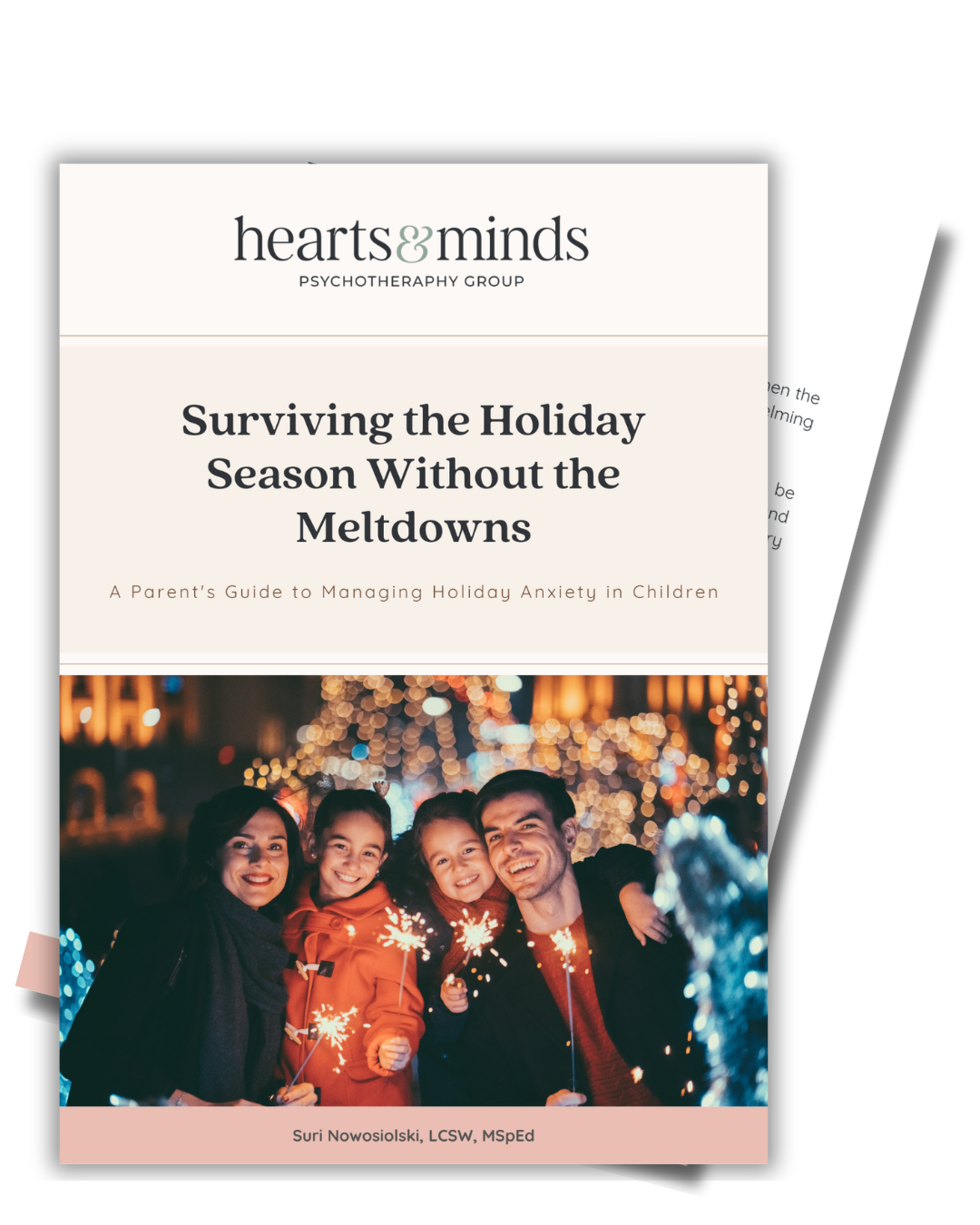
Need Support for the Harder Moments?
Need Support for the Harder Moments?
Some kids struggle with the holidays. Meltdowns, clinginess, and sensory overload can take over fast.
Our free guide, Surviving the Holiday Season Without the Meltdowns, helps you understand what’s behind your child’s stress and gives you strategies to bring more calm, before and after things go sideways.
What Actually Makes the Holidays Special for Kids
The holiday season offers something different from other celebrations: connection, meaning, and the chance to be part of something larger than themselves.
But kids don't absorb these things through lectures or forced participation. They learn by watching you express genuine appreciation. By helping with meaningful tasks. By hearing stories. By spending unhurried time with people who care about them.
These experiences shape how children understand connection and belonging in ways that last.
How Kids Learn Connection and Meaning
Real connection grows when kids experience it happening naturally, in the small moments throughout the season.
Let them hear you express genuine appreciation:
"I'm grateful we get to spend this time together."
"Look at how beautiful this looks, we did this together."
"I really appreciate how you helped your sibling feel included today."
When appreciation is woven into regular conversation, kids absorb it naturally. They're not performing. They're simply noticing and valuing life alongside you.
Let Children Help
When children contribute to holiday preparations, they feel more connected to the celebration. Young kids can help decorate or arrange things. Older kids can help with cooking, making cards, or supporting younger siblings. Teenagers can take on bigger tasks or help coordinate activities.
Children who help create the celebration feel more invested in its meaning.

Creating Traditions That Feel Right for
Your Family
The best traditions are the ones that feel good to your family, not the ones you think you're supposed to follow.
And they don't have to be elaborate.
A special breakfast on a particular morning
Reading certain books together
Taking a walk to look at the lights
Making one special recipe every year
Watching a favorite movie together
Simple, repeatable activities become meaningful through consistency, not complexity.
What works when children are young might not work as they grow. Traditions can evolve as your family evolves. The goal is creating regular moments of connection that feel meaningful for where your family is right now.
Ask children what they'd like to include in your family's celebrations. Their ideas might surprise you. When they have input, they're more invested in the traditions you create.
Making Room for Real Connection
The holidays bring together people who care about each other. That's the real gift of the season, not the decorations, the gifts, or the perfect schedule.
The connection you're hoping for doesn't need to be planned down to the minute. It happens when you give it space.
Leave room for kids to play with cousins or relatives. Let conversations unfold naturally. Allow people to linger and simply be together.
These unplanned moments are often what everyone remembers.
Let Stories and Memories Happen
Holiday gatherings often bring together multiple generations. This creates natural opportunities for kids to hear family stories, learn about traditions, or simply watch relationships between adults they care about.
These moments happen when people are comfortable and have time to talk. When someone says "Remember when..." and suddenly your kids are hearing about something you've never told them.
You don't need to force it. Just create the conditions (time, comfort, presence) and let the stories unfold.

Helping Children Navigate Holiday Social Situations
The holidays often mean children interacting with relatives they don't see frequently. This can feel awkward or uncomfortable, especially for shy, introverted, or anxious children.
Talk about who will be at gatherings. Refresh their memory about relatives they haven't seen in a while. Let them know what to expect about the schedule and activities. This preparation reduces anxiety and helps children feel more comfortable.
Give Them Conversation Tools
Teach children a few simple questions they can ask relatives:
"What do you like to do for fun?"
"Do you have any pets?"
"What's something you're excited about right now?"
Having a few go-to questions helps children feel less awkward in conversations with adults or extended family.
About Physical Affection
Don't force children to hug or kiss relatives if they're uncomfortable.
Teaching children they have control over their bodies matters more than enforcing social conventions. Encourage polite greetings, but let children choose how physical those greetings are.
When the Holidays Look Different
Not every family gathers with extended relatives. Not every family celebrates religious or cultural holidays. Some families are navigating grief, divorce, financial stress, or other changes that make traditional celebrations feel complicated.
The holidays can still be meaningful even when they look different than the traditional picture.
If you're not gathering with extended family, create traditions that work for your immediate family. Cook favorite foods. Spend time together doing activities you enjoy. Express appreciation for each other. The size of the gathering doesn't determine its meaningfulness.
When the Holidays Feel Hard
What do you do when this season brings up mixed feelings? Not every family is celebrating in the same way right now. Some are dealing with family conflict, financial stress, or simply complicated emotions about the holidays themselves.
How can you support your child when the season feels heavy? Acknowledge what's real. You don't have to pretend everything is perfect. Kids can hold gratitude and frustration at the same time. Joy and stress. Excitement and exhaustion.
What matters most is that they don't feel alone in whatever they're experiencing.
What Your Children Will Remember
Years from now, your children won't remember whether the decorations were perfect or the celebration went exactly as planned.
They'll remember feeling loved. Feeling connected to family. Feeling like they belong to something bigger than themselves. Laughing together. Helping in meaningful ways. Hearing stories. Feeling appreciated and valued.
Those are the things worth focusing on.
Those are the things that make the holidays meaningful.
Resources for Navigating the Holiday Season
💬 "The 5-Minute Anxiety Reset" - Quick strategies for managing holiday stress and overwhelm
Perfect for: Children who get anxious during busy holiday gatherings
📘 "Play Your Way to a Stronger Connection" - Activities that build family bonds and create meaningful moments together
Perfect for: Families wanting to deepen connections during the holiday season
📜 "The Supersensor Kid's Survival Kit" - Strategies for deeply feeling children who struggle with overstimulation
Perfect for: Sensitive kids who find holiday chaos overwhelming
📋 "Surviving the Holiday Season Without the Meltdowns" - A Parent's Guide to Managing Holiday Anxiety in Children
Perfect for: Parents of anxious children who want to navigate the holidays with less stress and more connection
Programs to Support Your Family
SPACE Parenting Course:
Learn the SPACE approach at your own pace with our online course that helps parents reduce childhood anxiety.DBT-C Parent Group:
Learn skills to support children's emotional independence and regulation while reducing family stress.SSP - Safe and Sound Protocol:
Help your child's nervous system feel safe and regulated through this research-based listening therapy.
About the Author
Suri Nowosiolski, LCSW, MSpEd, is a licensed clinical social worker with over 30 years of experience supporting families. She specializes in helping parents create stronger connections with their children through evidence-based approaches. Suri is the founder of Hearts & Minds Psychotherapy Group.