When Goodbye Feels Impossible: Navigating the Waves of Separation Anxiety With Your Child
It’s a scene played out in countless school lobbies and at many front doors: the tight grip on your leg, the tear-filled eyes, and the heartbreaking pleas for you not to leave.
We often talk about separation anxiety as a phase kids "get through," but for a child, the feeling is anything but small. It is a biological response to a perceived loss of safety.
If your mornings have become a struggle of tears and clinging, know this: your child isn't being "too-sensitive” or "dificult." They are navigating a developmental milestone that, while exhausting for you, is a profound sign of their deep connection to you.
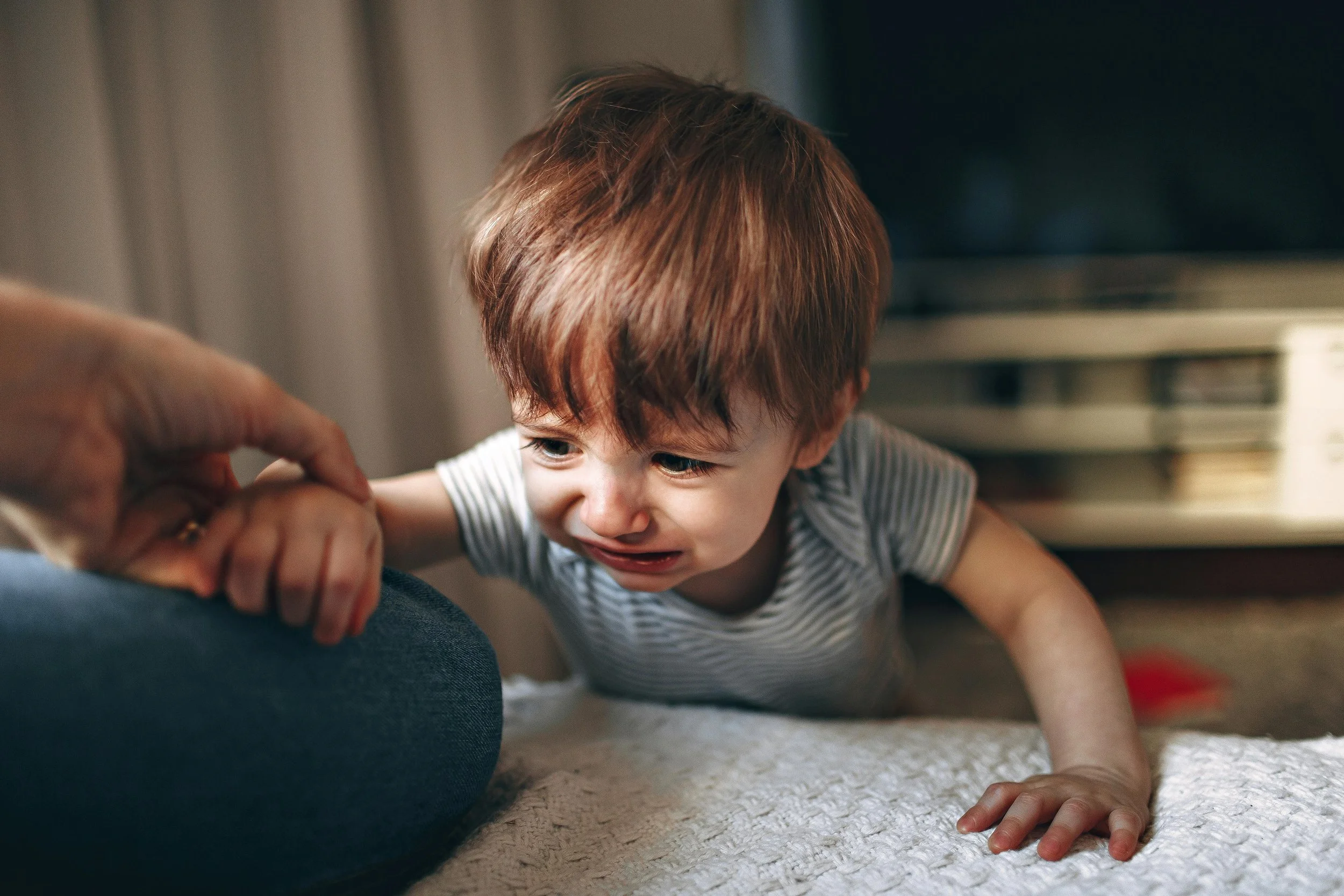
What Exactly is Separation Anxiety?
At its core, separation anxiety is a survival mechanism. To a developing brain, "separation" can feel like "danger." It usually peaks during toddlerhood (around 18 months to 3 years) and can resurface during major life transitions, like starting school or moving to a new home.
The goal isn't to eliminate the feeling of wanting deep connection as we want our children to value our presence. It’s to help them learn that separation is temporary and you are predictable and reliable..
How Long Will This Last?
One of the first questions parents ask is: "When will this end?" For most children, separation anxiety begins around 8 months of age, peaks between 18 months and 3 years, and gradually decreases as they build trust in your consistent return. About 63% of children experience manageable levels that resolve naturally by age 3.
However, somewhere between 3-6% of children continue experiencing heightened separation anxiety into elementary school. And here's something important that many parents don’t realize: even after your child seems to have "moved past it," separation anxiety can resurface in about 8% of teenagers, especially during stressful transitions. While this can seem like a big-time regression, it’s actually their nervous system recalibrating and responding to new uncertainty.
Recognizing the Stages of the "Separation Storm"
Separation anxiety doesn't always look like a full-blown meltdown. It often moves in stages:
The Anticipation: This starts before the goodbye. You might notice your child becoming unusually quiet, "clingy" while you're getting dressed, or asking repeatedly, "Are you leaving today?"
The Protest: This is the peak. It involves the physical and vocal struggle—crying, holding onto your clothes, or even throwing a tantrum. Their "thinking brain" has officially gone offline.
The Despair: If the separation is prolonged, some children move into a quiet, withdrawn state. They aren't "fine" yet; they are simply processing the overwhelm.
The Recovery: This is where the nervous system begins to settle. They eventually engage with a toy or a teacher, realizing they are safe even in your absence.

Identifying the Triggers
Understanding the "why" can help you stay calm when the "what" feels overwhelming. Common triggers include:
Stress or Fatigue: A child who didn't sleep well or is coming down with a cold will have much less "emotional bandwidth" for a goodbye.
Changes in Routine: A new sitter, a different drop-off route, or even a parent being away on a business trip can heighten the fear of the unknown.
Parental Anxiety: Our children are mirrors. If we are feeling guilty or anxious about leaving, they pick up on our "vibe" and assume there is something to be afraid of.
Practices to Regulate and Prevent the Meltdown
We can’t always avoid goodbyes, but we can prepare the soil so the transition is less rocky.
1. Create a "Connection Bridge."
Give your child something of yours to hold onto. It could be a "magic" stone in their pocket, a small photo, or even a heart drawn on their hand with a matching one on yours. This acts as a physical reminder that you are still connected even when apart.
2. The Power of the "Predictable Goodbye."
Never "sneak out" when your child is distracted. While it avoids the immediate tantrum, it destroys trust and makes the child more hyper-vigilant later.
Keep it short and confident: A long, lingering goodbye tells the child, "I'm worried about leaving you, too."
Use a script: "I'm going to work now. I'll be back after your nap. I love you!"
3. Practice "Micro-Separations."
If your child is struggling to separate, practice at home when things are calm. Tell them, "I'm going into the kitchen to get water. I'll be back in one minute." Consistently returning when you say you will builds the "trust muscle" their brain needs.
Remember...
Progress isn't linear. Your child might have three great days and then a "step back" on Thursday. That doesn't mean the strategies aren't working; it just means they are human.
By staying steady and predictable, you are teaching them one of life’s most important lessons: that love stays, even when we have to go.
When Does Separation Anxiety Become a Disorder?
While typical separation anxiety is a normal developmental phase, Separation Anxiety Disorder is diagnosed when the anxiety becomes developmentally inappropriate, often appearing in school-age children and causes significant impairment in daily life.
The key differences include:
Duration: Symptoms persist for at least 4 weeks (or 6 months in adults) despite consistent support strategies
Intensity: The distress is extreme compared to same-age peers and the child cannot be consoled or redirected
Impairment: The anxiety prevents school attendance, sleepovers, or age-appropriate activities
Physical symptoms: Frequent stomachaches, headaches, or sleep disturbances tied specifically to separations
It's also important to distinguish separation anxiety from other anxiety patterns.
Separation anxiety focuses specifically on being apart from attachment figures. In contrast, generalized anxiety involves worry about many different situations (school performance, friendships, health), and social anxiety centers on fear of judgment in social situations. These can overlap, so a professional assessment can help identify which pattern is primary.
Will This Affect My Child's Confidence?
This is the question that keeps many parents up at night. Here’s the reassuring truth: when handled supportively, typical separation anxiety does not harm long-term confidence. In fact, it's a sign of healthy attachment.
However, prolonged, untreated separation anxiety can impact developing self-confidence because children repeatedly learn they cannot soothe themselves. This is precisely why your steady, predictable responses matter so much. Children who receive consistent support through separation anxiety develop resilience and secure attachment, which actually builds their confidence to explore independently.
Research confirms that most children who experience normal developmental separation anxiety grow into well-adjusted adults without lasting psychological effects. By acting as their anchor today, you're teaching them that difficult feelings are temporary and manageable—a foundation that serves them for life.
When to Seek Additional Support
While separation anxiety is a normal developmental milestone, it may be time to reach out for professional support if the "storm" doesn't settle after several weeks, or if the anxiety begins to prevent your child from attending school or doing activities that their peers do.. Persistent physical symptoms, like stomachaches or sleep disturbances tied to goodbyes, are also signs that your child might need a more specialized toolbox to navigate their big feelings.
If you've determined your child needs additional support, knowing what to expect can ease your own anxiety about taking that step.
Finding the right therapist: Look for a licensed mental health professional who specializes in childhood anxiety, with specific training in anxiety disorders.
Evidence-based approaches include:
Cognitive Behavioral Therapy (CBT): Helps children identify anxious thoughts and develop concrete coping strategies; highly effective for both children and adolescents
Exposure therapy: A component of CBT that gradually helps children face separation fears in small, manageable steps
Play therapy: Particularly effective for younger children (ages 3-8) who process emotions through creative expression rather than conversation
Parent Support: Supportive Parenting for Anxious Childhood Emotions):
A parent-based, evidence-supported approach that focuses on changing how parents respond to anxiety rather than asking the child to do all the work. This approach is especially helpful when children struggle to engage directly in therapy or when anxiety shows up most strongly around separations from caregivers.
Timeline for improvement: Most children begin showing noticeable progress within 8-12 weeks of consistent therapy. A typical course of CBT for separation anxiety involves 12-20 sessions, though this varies based on severity. Some children need only brief intervention (6-8 sessions), while others with more complex presentations may benefit from several months of treatment. The key is consistency—children who practice strategies between sessions see faster progress.
What This Means Long-Term
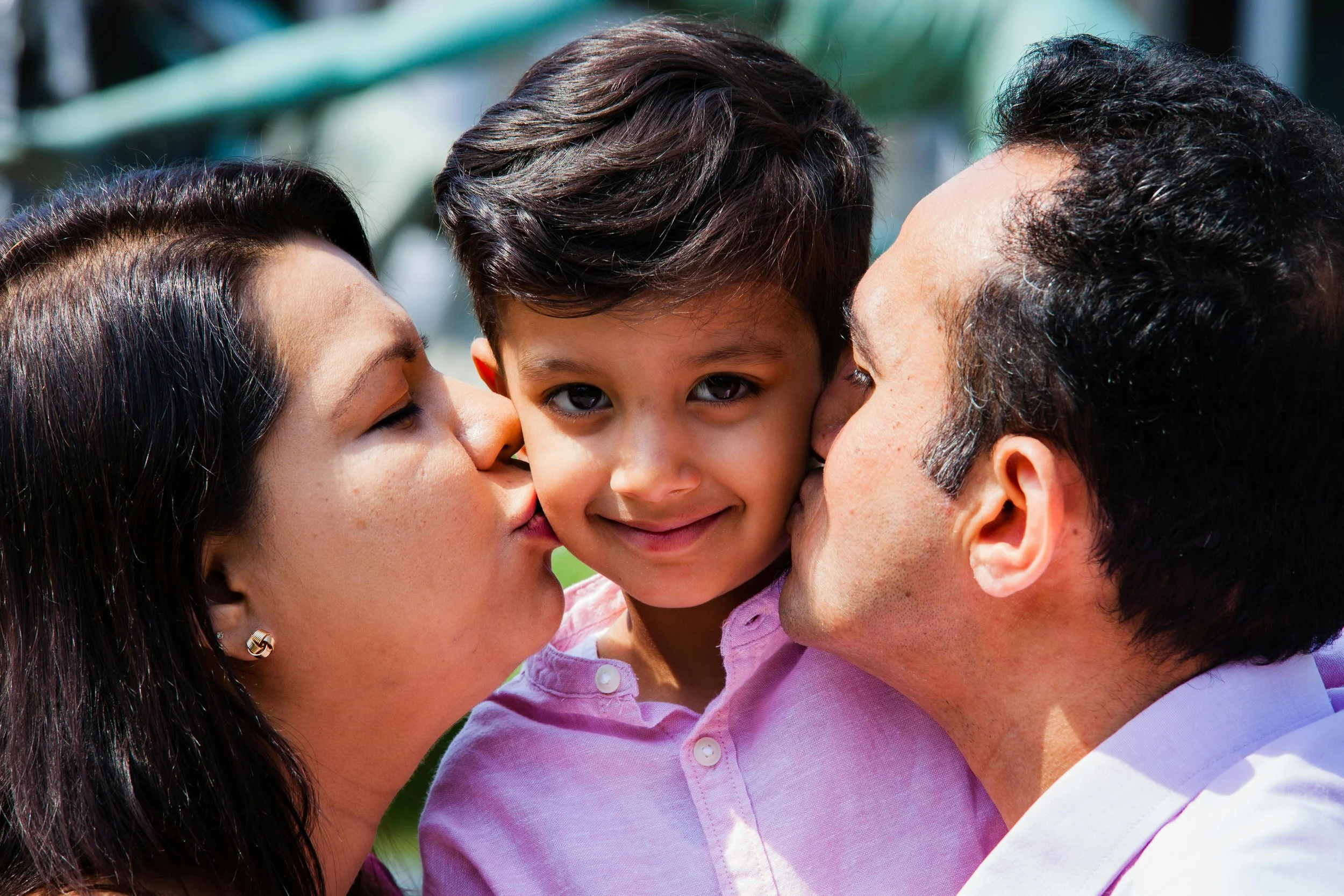
Supporting your child through these difficult goodbyes today builds a foundation of emotional resilience that lasts a lifetime. By acting as their steady anchor, you are teaching them that "hard" feelings are manageable and that they are capable of being independent. Over time, this builds a secure attachment, giving them the confidence to explore the world because they know they always have a safe place to land.
Resources for Supporting Emotional Development
🧠 "Anxiety IQ: A Kid's Guide to Understanding and Managing Anxiety" – A foundational tool for children to understand how their brains work and manage overwhelming feelings.
Perfect for: Helping older children name the physical sensations of separation anxiety so it feels less scary.
📋 "The 5-Minute Anxiety Reset" – Quick, practical strategies for managing the immediate physiological "storm" of a transition.
Perfect for: Parents who need a "reset button" for both themselves and their child during high-stress morning routines.
🛠️ "Top Tools for Helping Anxious Kids" – A curated treasury of sensory tools, therapeutic books, and clinical strategies designed to ground a child's nervous system.
Perfect for: Building a personalized "toolkit" so your child has tangible ways to find safety and steady themselves during the "Separation Storm."
Programs to Support Your Family
SPACE Parenting Course: Learn to effectively parent an anxious child with our online course that helps parents reduce childhood anxiety. [Course Link:]
DBT-C Parent Group: Learn skills to support children's emotional independence and regulation while reducing family stress: [Program Link]
SSP - Safe and Sound Protocol: Help your child's nervous system feel safe and regulated through this research-based listening therapy.
About the Author
Suri Nowosiolski, LCSW, MSpEd, is a licensed clinical social worker with over 30 years of experience supporting families through emotional and behavioral challenges. She specializes in helping parents understand child development and use strategies that support emotional growth. Suri is the founder of Hearts & Minds Psychotherapy Group.
Related Posts
📄 The Parent’s Guide to Back-to-School Self-Care
📄 Is Your Child Ready for Kindergarten? Why Emotional Readiness Matters More Than ABCs
📄When Your Child Feels Everything: Understanding Deeply Feeling Kids