When Small Moments Feel Like Big Rejections: Understanding Rejection Sensitive Dysphoria in Children
Have you ever watched your child completely fall apart after being told “not right now,” losing a game, or feeling left out for a moment?
Maybe they replay the moment over and over, convinced they’ve done something wrong. Maybe their reaction feels much bigger than the situation itself: tears, anger, shutdown, or deep shame.
And maybe you've heard comments like, "They're too sensitive," or "They need thicker skin,"—which only makes you feel more alone in this.
Here's what I want you to know: your child isn't choosing these reactions. And you're not imagining that something different is happening for them.
For some kids, especially deeply sensitive, anxious, or neurodivergent children, perceived rejection doesn't just sting. It overwhelms. Their nervous system treats it like an emergency, even when, logically, nothing dangerous is happening.
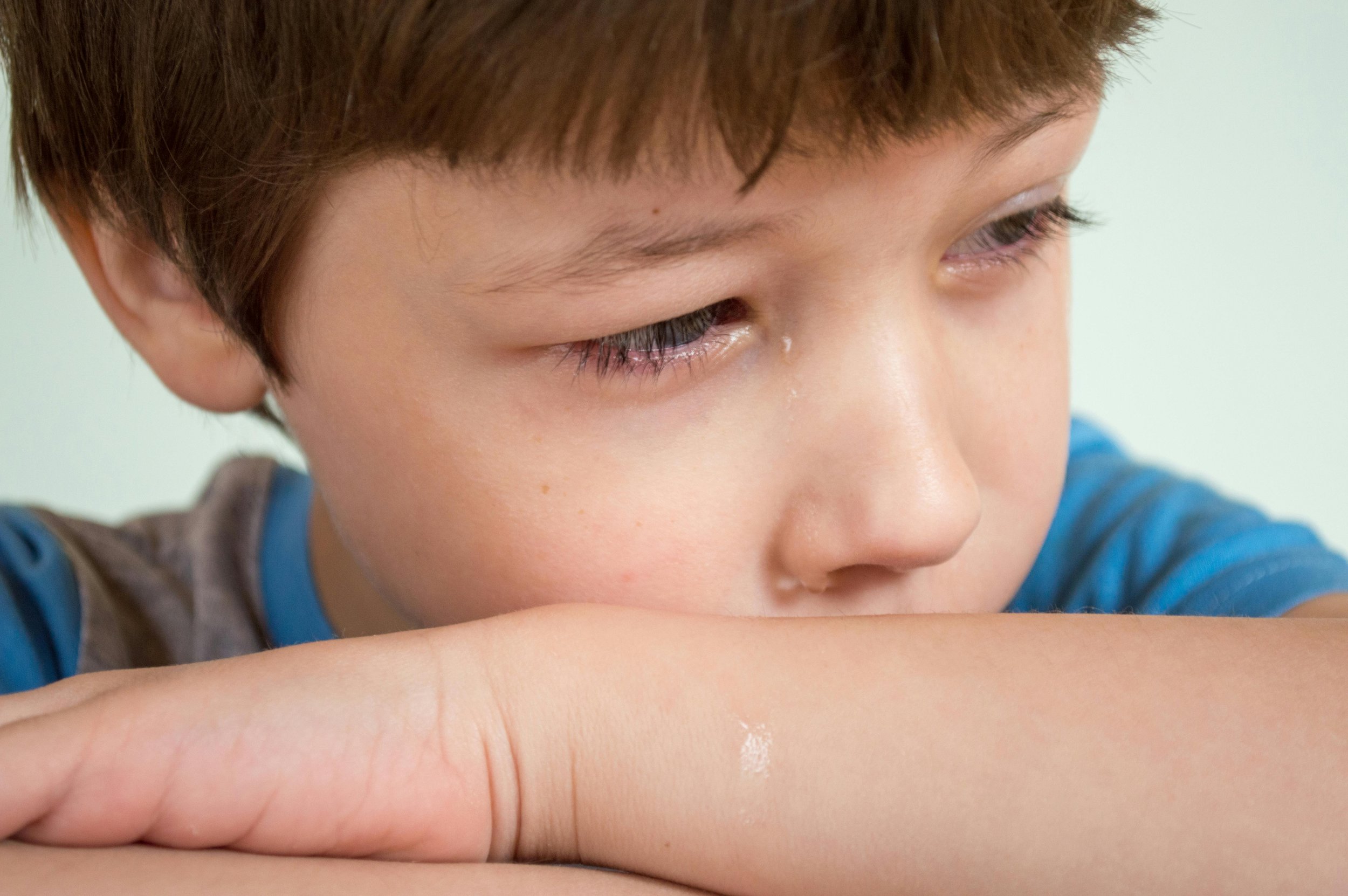
What Is Rejection-Sensitive Dysphoria?
Rejection Sensitive Dysphoria (RSD) is a term used to describe extreme emotional pain triggered by real or perceived rejection, criticism, or failure. While it is not a formal medical diagnosis on its own, it is often discussed in the context of children with ADHD.
Children with RSD experience rejection as deeply personal and threatening, even when no harm was intended. A neutral comment, a missed invitation, or a gentle correction can feel like proof that they are unlovable, unwanted, or “not good enough.”
And here's the part that matters most: this is not about attention-seeking or manipulation. It's about how their brain and nervous system interpret social and emotional cues. They're not trying to be difficult. They're overwhelmed.
What RSD Can Look Like in Children
Rejection sensitivity doesn’t look the same in every child. Some reactions are loud and obvious. Others are quiet, turned inward, and easy to overlook.
A child experiencing RSD may:
Have intense emotional reactions to small mistakes or feedback
Become overwhelmed by perceived criticism, even when you're being gentle
Avoid trying new things because the fear of failure feels unbearable
Withdraw socially after feeling excluded or misunderstood
Lash out in anger to protect themselves from shame
Apologize excessively or assume they’re “in trouble.”
Replay interactions repeatedly, unable to let them go
If you're reading this and thinking, "That's my kid," I want you to know something else: many of these children are also deeply empathetic, creative, and intuitive. They feel joy as intensely as they feel pain. This sensitivity isn't a flaw; it just needs support.
What's Happening Inside Your Child With RSD
Understanding what your child experiences during these moments changes how you respond. It's confusing when they melt down over something that seems small, but there's so much happening beneath the surface.
Emotionally
Your child is experiencing a sharp, sudden wave of hurt or shame that feels overwhelming. They feel exposed, embarrassed, or "caught." There's often a strong sense of being unwanted or disliked, along with panic that they've disappointed you or someone else important to them.
Mentally
Their thoughts are racing, trying desperately to explain what went wrong or prove they’re not at fault. They're replaying the interaction over and over, and their mind is jumping to worst-case conclusions: "I'm bad." "They don't like me." "I messed up everything." Logic and reassurance can't reach them yet as they're not available.
Physically
This isn't just about them being emotional. Their body is in distress: tight chest or throat, a sinking feeling in the stomach, heat or flushing in the face, shallow breathing.
Behaviorally
RSD creates powerful urges: to overexplain, to apologize repeatedly, to withdraw or disappear, to lash out defensively, or to give up entirely.
Most children who can articulate it later describe it as feeling like they've been "emotionally punched before knowing what they did wrong."
When you understand these, you start seeing your child’s pain.
And here's what matters for the long term: repeated experiences of intense rejection without support can lead children to avoid risks, hide their true selves, or believe they must be perfect to be accepted. That's why responding differently now matters so much.
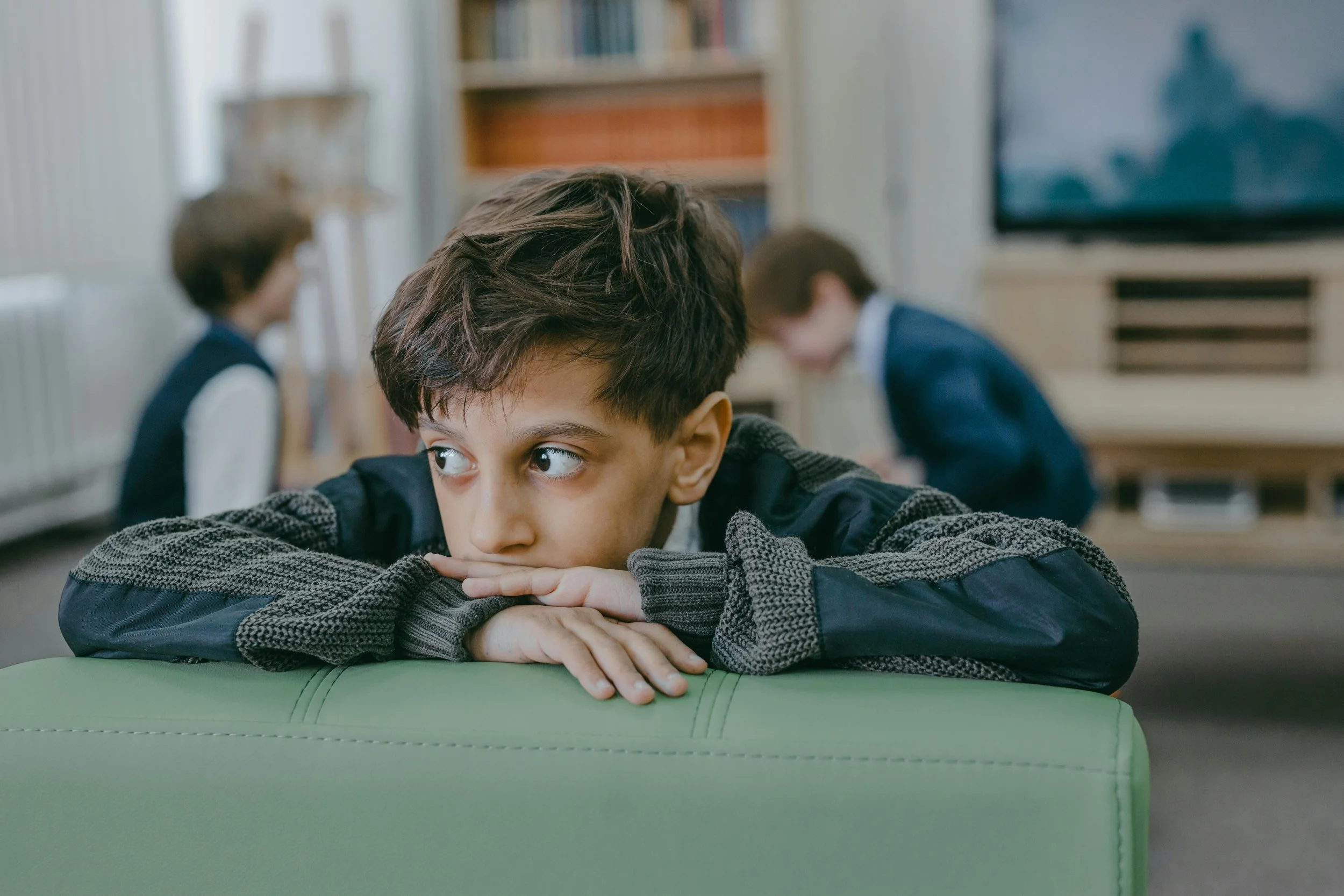
Why Sensitive Kids Are Especially Vulnerable
Some children are simply wired to notice more. They pick up on your tone, your facial expressions, the subtle shifts in connection that other kids miss. Their nervous systems are more reactive, and their emotional volume is naturally turned up. For these kids, rejection doesn’t just hurt; it feels unsafe.
When a child’s brain perceives rejection, it can trigger a fight, flight, or freeze response. Logic goes offline. Your reassurance doesn't land, no matter how loving or reasonable it is. Their body is in protection mode, trying to keep them safe from emotional danger.
This is why telling a child to "calm down" or "not take it personally" often backfires. You're asking them to use a part of their brain that isn't online yet.
Figuring Out What Sets Your Child Off
Many parents wish they could predict when RSD will strike. The truth is, RSD doesn't come out of nowhere, it follows patterns. The challenge is that reactions happen so fast, the trigger can feel invisible.
Common Trigger Categories
Let me walk you through what tends to set off RSD, so you can start recognizing your child's patterns.
Interpersonal triggers are the most common. These are the subtle social moments: someone replying late or briefly, a change in your tone or facial expression, being corrected (even gently), feeling ignored or excluded, or a neutral comment they interpret as disappointment.
Authority and evaluation triggers happen when there's perceived judgment. Think feedback from teachers or coaches, performance reviews or report cards, someone asking follow-up questions about their work, being observed during a task, or rules changing without explanation. Their nervous system hears: "I might be failing."
Internal triggers can happen when no one around them did anything wrong. They make a mistake, forget something, don't meet their own expectations, or compare themselves to others. The rejection feels external, but it's actually self-directed.
Relationship-specific triggers mean certain relationships activate RSD more strongly, especially with you as their parent, close friends, teachers, or anyone whose approval feels emotionally necessary. The higher the attachment, the higher the sensitivity.
State-based triggers are about timing. RSD is louder when your child's nervous system is already taxed: when they're sleep-deprived, hungry, dealing with hormonal shifts, overstimulated, or burned out. On these days, small things feel enormous.
How to Map Your Child's Personal Triggers
When you're trying to understand your child's triggers, here's what actually helps:
Instead of spinning in "Why are they like this?"
Pause and ask yourself, "What just happened right before?"
You're looking for the spark, not judging the fire.
Look for: an instruction, a look, silence, a question, a correction.
Then, try to name the core fear beneath their reaction.
RSD reactions usually map to one of these:
"I am not wanted," “I’m doing it wrong.”
"I disappointed someone,"
"I am failing," "I don't belong,"
or "I am too much."
After a few episodes, you'll start to notice repetition: the same type of person, the same setting, the same time of day, the same emotional state. That's your child's trigger profile. Once you see it, you can start preparing them before the explosion happens.
What an RSD Episode Looks Like
An RSD episode is an intense, short-term nervous system reaction to perceived rejection or criticism. It's not a tantrum. It's not manipulation. It's emotional pain that overwhelms their ability to regulate.
What You'll Actually See
Emotional signs: Sudden intense crying or anger, panic, shame or despair, feeling exposed. You might hear statements like "You hate me," "I'm stupid," or "I can't do anything right."
Behavioral signs: Meltdowns after feedback, explosive anger or yelling, shutting down or refusing to engage, running away or hiding, giving up immediately on whatever they were doing.
Physical signs: Red face or flushing, rapid breathing, clenched fists, or physical collapse, sudden exhaustion afterward.
When your child with rejection sensitivity feels excluded or criticized, their brain interprets it as a threat to belonging. Stress hormones surge. Their body reacts before they have the tools to think it through.
How Long Episodes Actually Last?
The intense phase typically lasts 10 to 60 minutes. Emotional sensitivity can linger for several hours afterward. Full emotional recovery may take the rest of the day.
Kids often recover faster than adults once safety is restored, but they need that safety first.
Certain responses, however well-intentioned, can actually extend the episode. Being corrected or reasoned with mid-meltdown, having their feelings minimized, hearing "Why are you acting like this?", or facing threats or consequences during the episode, all increase shame and keep their nervous system activated.
How RSD Episodes Are Different from Tantrums
As a parent, you might wonder about what you’re seeing: is it RSD, a tantrum, or anxiety—or some combination? Understanding these differences helps you respond more effectively.
Tantrums have a goal. A child wants something: a toy, attention, or to avoid bedtime, and they're using big emotions to try to get it. When you hold the boundary, or they get what they want, the tantrum stops. Tantrums often respond to distraction, negotiation, or firm boundaries.
Anxiety, on the other hand, is a reaction to uncertainty or a future threat. It builds more slowly and lingers over time. An anxious child is asking, "What if something bad happens?" or "What if I can't do this?" Their worry tends to focus on unknowns, anticipation, and performance situations. It often responds well to predictability, planning, and cognitive tools like identifying worried thoughts and challenging them.
RSD is different from both. It's a reaction to perceived rejection or criticism that hits fast and sharp, like an emotional punch. Your child isn't worried about what might happen; they're in pain about what they believe just happened: "I disappointed them," "They don't like me," "I'm not good enough." RSD is triggered by feedback, tone changes, exclusion, or mistakes made in front of others. Unlike anxiety, they're not worried about the future; kids experiencing RSD are devastated about the present moment.
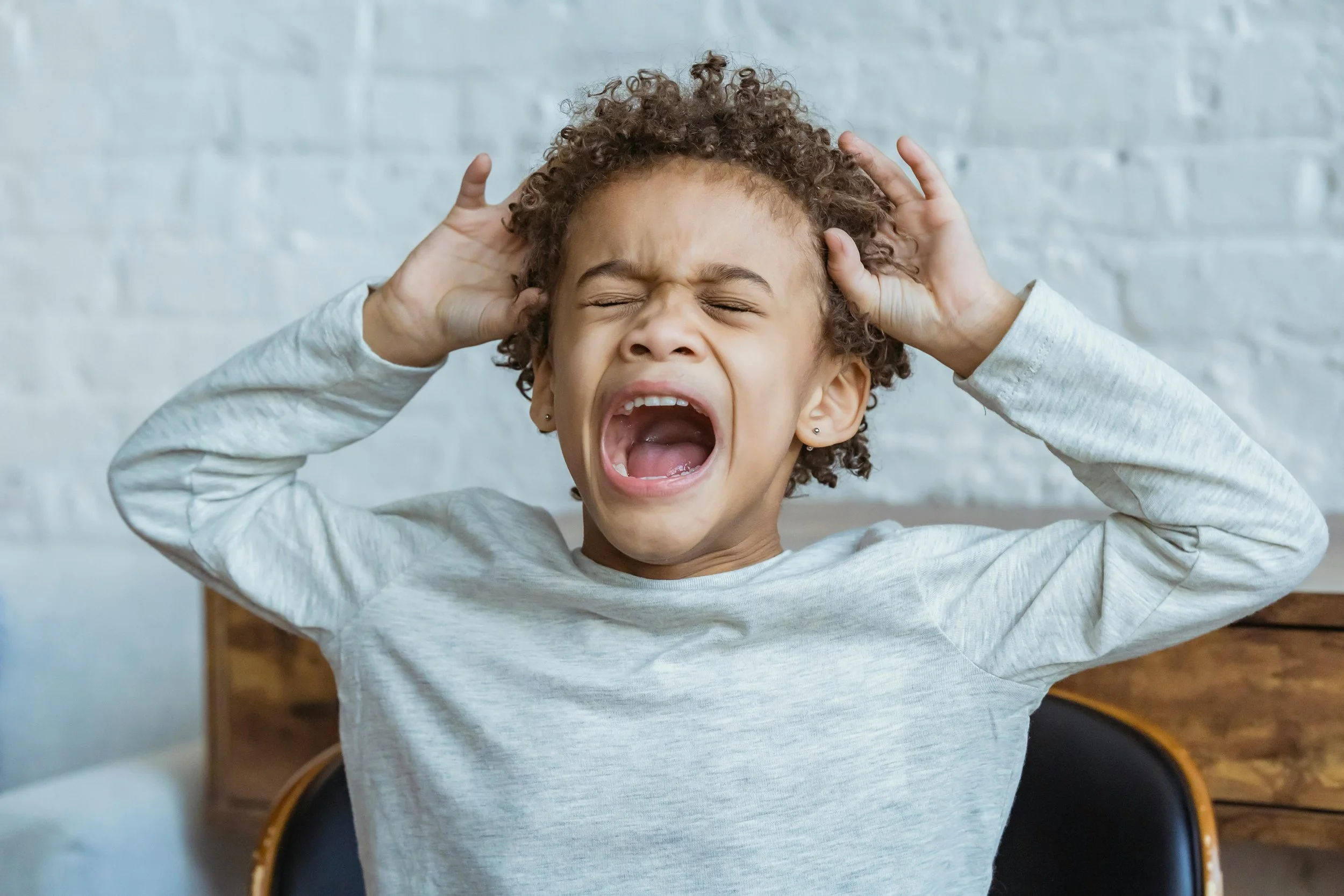
Can Your Child Have More Than One?
Yes. Many children experience both RSD and anxiety, and when they stack, it can feel overwhelming.
For example, anxiety might make your child worry about an upcoming test all week, while RSD explodes in the moment after one critical comment from the teacher during the test. They're different processes happening in the same child.
Understanding which one (or both) you're dealing with matters because the responses need to be different.
Anxiety responds to predictability and cognitive tools. RSD responds to nervous system regulation and relational safety, knowing that the connection stays intact even when they mess up.
How Parents Can Support a Child With Rejection Sensitivity
You don’t need to eliminate all disappointment or protect your child from every hard moment. What matters most is how you show up when rejection hits.
Regulate First, Teach Later
When emotions are high, the brain can’t absorb lessons. Focus on calming before correcting. Softening your voice, slowing your breath, and staying present sends the message: “You’re safe, even when this hurts.”Validate the Feeling Without Reinforcing the Belief
You can acknowledge pain without confirming the story your child is telling themselves. Instead of saying ‘You’re right, that was unfair,’ try saying ‘I can see that really hurt, and I’m here with you.’Separate the Event From Their Worth
Help your child understand that mistakes, feedback, or rejection are experiences, not definitions. Gentle reminders like: “This doesn’t mean you’re bad.” “One moment doesn’t decide who you are.”Build Emotional Language
Children with RSD benefit from learning to name what’s happening inside. Words like disappointment, embarrassment, frustration, or sadness help turn overwhelming sensations into manageable experiences.Encourage Repair and Resilience Over Perfection
Focus less on avoiding rejection and more on recovering from it. Resilience grows when children learn that relationships can bend without breaking and that feelings can rise and fall safely.
Practical Tools for Managing RSD Episodes
When your child is in the grip of an RSD episode, having specific tools helps you move from feeling helpless to having a plan. Here are the most effective strategies.
The 20-Minute Rule
Don't try to teach, problem-solve, or repair for at least 20 minutes after an RSD trigger. It takes roughly this long for stress hormones like adrenaline to start clearing after the nervous system begins to calm.
Here’s how to use it:
During those first 20 minutes, focus on down-regulation, not problem-solving.
Provide calm, steady presence. Your regulated nervous system helps regulate theirs.
Focus on your own breathing and body language.
Reduce stimulation in the environment. Skip the lectures or explanations for now.
Offer gentle physical comfort if they'll accept it (and respect if they won't).
The effect: You're buying time for their nervous system to settle and protecting both of you from saying or doing things that cause more damage while emotions are high.
Once the intensity drops and your child shows signs of returning to baseline—their breathing slows, their body softens, and they can make eye contact.
Then you can clarify misunderstandings, repair the relationship, or talk about what happened. But you'll be having that conversation from a steadier place, where they can actually hear you.
Other Regulation Tools
Your child might respond better to different somatic strategies. The best one is whatever your child's nervous system actually responds to.
Breathing exercises: Slow breathing with long exhales (inhale for 4 counts, exhale for 6-8 counts) signals safety to the nervous system.
Cold water: Splash cold water on wrists or face, or hold an ice pack to your face. This activates the dive reflex and can interrupt intense emotional spirals.
Heavy muscle engagement: Wall pushes, squeezing a stress ball, or pushing hands together hard. This grounds them back in their body.
Movement: Walking outdoors, jumping jacks, or stretching helps discharge stress hormones.
Deep pressure: Weighted blankets, tight hugs (if they want them), or rolling up in a blanket burrito-style provide calming sensory input.
Experiment with different tools when your child is calm so you know what works before the next episode hits.

When to Seek Additional Support
Many children experience sensitivity to rejection at times. Extra support may be helpful if your child:
Avoids school, peers, or activities due to fear of rejection
Experiences intense emotional distress that doesn’t ease with support
Shows persistent shame, self-blame, or emotional shutdown
Struggles to recover after everyday disappointments
Support doesn’t mean something is “wrong.” It means your child deserves tools that match their nervous system.
What is The Long-Term Impact
Children who receive understanding and support for rejection sensitivity often grow into deeply compassionate, creative, and emotionally attuned adults.
When they learn that feelings are survivable and that connection doesn’t disappear after mistakes, they build resilience from the inside out. RSD is not something to erase. It’s something to support, understand, and work with.
Other Common Questions Parents Ask Me About RSD
Is RSD a Trauma Response?
Sometimes, but not always. RSD can overlap with trauma when a child grows up with chronic criticism, rejection, or unpredictable emotional responses. But it can also exist without trauma, often linked to emotional regulation differences, especially in ADHD, combined with repeated social feedback over time. Trauma or not, the support is the same: helping the nervous system feel safe and responding with understanding, steady adults.
Is There a Test for RSD?
No. RSD is not a formal DSM diagnosis, so there is no standardized test. It’s identified by patterns: what triggers your child, how fast the reaction comes, how intense the emotional pain is, and how long recovery takes, especially in neurodivergent kids. If criticism leads to sudden, overwhelming distress, avoidance of judgment, and reassurance only helps after time has passed, the pattern matters more than a label.
Can RSD Be Cured?
RSD isn’t something to cure. It reflects nervous system sensitivity, not a disease. What can change is how the nervous system responds over time. Through many small, consistent experiences, a child learns that pain does not mean loss of connection. This takes patience and compassion, but real growth absolutely happens.
Resources for Supporting Emotional Development
💬 "The 5-Minute Anxiety Reset" Quick strategies to help children manage stress and emotional overwhelm during busy or challenging moments.
Perfect for: Children with rejection-sensitive dysphoria who become overwhelmed by perceived criticism or exclusion, helping them regulate emotions and regain calm when feelings surge.
📜 "The Supersensor Kid's Survival Kit" Practical strategies for children who feel everything deeply, supporting them in navigating overstimulation and intense feelings.
Perfect for: Sensitive children with RSD who experience intense emotional reactions to everyday interactions, helping them process hurt, regain control, and build coping skills.
✨ “10 Favorite Products for Anxious Kids” A curated collection of trusted, therapist-recommended tools designed to help children manage stress, feel calmer, and navigate overwhelming emotions.
Perfect for: Children with rejection-sensitive dysphoria or high emotional sensitivity, offering practical ways to build confidence, regulate intense feelings, and feel more in control during challenging moments.
Programs to Support Your Family
SPACE Parenting Course: Learn to effectively parent an anxious child with our online course that helps parents reduce childhood anxiety. [Course Link:]
DBT-C Parent Group: Learn skills to support children's emotional independence and regulation while reducing family stress: [Program Link]
SSP - Safe and Sound Protocol: Help your child's nervous system feel safe and regulated through this research-based listening therapy.
About the Author
Suri Nowosiolski, LCSW, MSpEd, is a licensed clinical social worker with over 30 years of experience supporting families through emotional and behavioral challenges. She specializes in helping parents understand child development and use strategies that support emotional growth. Suri is the founder of Hearts & Minds Psychotherapy Group.
Related Posts
📄Watching Your Child Get Rejected Never Gets Easier: A Parent's Guide to Supporting Social Development– Tips to support kids through social challenges and rejection.
📄Helping Your Child Understand and Manage Their Emotions – Simple strategies to boost emotional awareness and regulation.
📄When Goodbye Feels Impossible: Navigating the Waves of Separation Anxiety With Your Child - Navigating the stages of separation with calm, supportive transitions.
📄When Small Moments Feel Like Big Rejections: Understanding Rejection Sensitive Dysphoria in Children - Helping children manage the intense emotional sting of perceived rejection.