Understanding Big Feeling Kids: When Your Child's Emotions Feel Too Big for Their Body
Your child melts down over the "wrong" cereal. Again… and I know how frustrating that sounded like.
They had a great day at school, but during bedtime, it’s tears, rage, or complete shutdown.
You praised them for their drawing, and they ripped it up. Their sibling looked at them the wrong way, and now everyone's crying.
And someone, maybe a teacher, a family member, or that voice in your own head, keeps saying: "They just need more discipline. They're too sensitive. Other kids don't act like this."
But this isn't just about discipline.
Some children experience emotions more intensely, more frequently, and for longer than their peers. Not because they're choosing to be difficult, but because their nervous system processes the world differently.
If you're exhausted, confused, or starting to believe something is fundamentally wrong, you're in the right place. Let's talk about what's really happening and what actually helps.
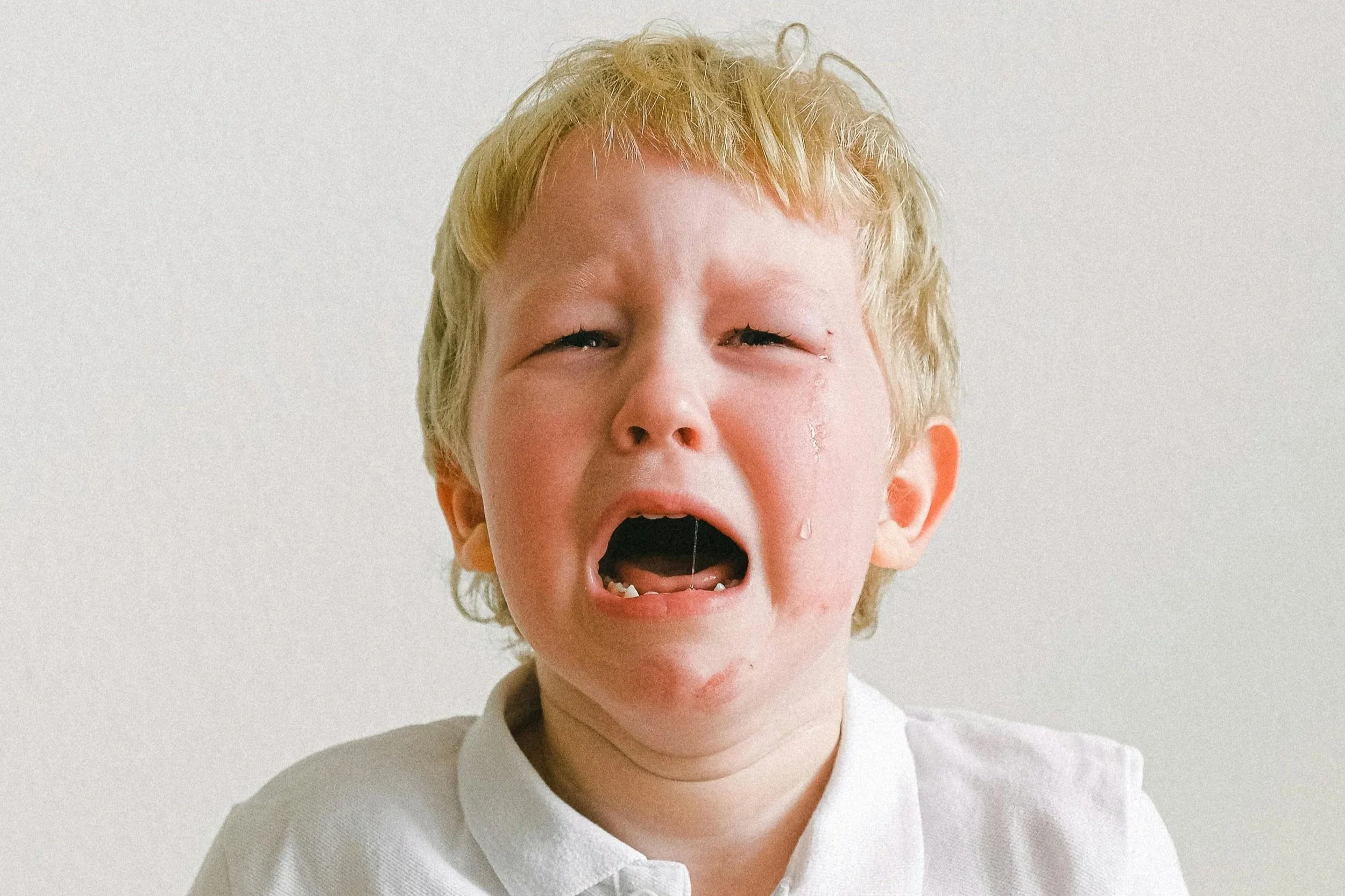
But first, what are Big Feeling Kids?
Big feeling kids are children whose nervous systems amplify emotions, causing them to experience feelings with far greater intensity than others. Their brain processes emotion, threat, safety, and overwhelm differently. What looks like drama or defiance is actually biology.
Your child might be a big feeling kid if they:
React intensely to frustration, disappointment, or transitions
Feel emotions quickly and physically—in their chest, stomach, or whole body
Struggle to calm down once upset, even with your help
Show deep empathy or seem to absorb others' emotions
Get easily overwhelmed by noise, crowds, changes in routine, or sensory input
Have explosive reactions that seem out of proportion to the trigger
A deeply feeling child feels emotions in their body first, before words, context, or control even arrive. Their internal experience is loud, fast, and consuming.
This overlaps with what researchers call highly sensitive children, emotionally reactive temperament, and neurodivergent nervous systems (including ADHD, autism, and anxiety). These are differences in wiring, not character flaws.
What’s Happening with Big Feeling Kids in Real Life
Let's get specific, because recognizing your child here matters. They can appear in these scenarios.
The morning meltdown over cereal. Their nervous system was already at capacity from transitioning out of sleep. One more unexpected thing tipped them over.
The bedtime collapse after a "good day." They held it together all day at school, used every ounce of regulation they had, and now, in the safety of home, it’s where all comes out.
The shutdown after praise. You said "good job," but their brain heard evaluation and judgment. Now the pressure to be perfect feels unbearable.
The explosive reaction to a sibling's look. It wasn't just the look. It was the look plus the noise plus the transition plus the disappointment from earlier plus the fact that maybe they're also hungry. Their nervous system hit overload.
If you're nodding along thinking "that's my kid," you're seeing it clearly.
What Big Feeling Kids Are NOT
Let's clear up what this isn't, because the misunderstanding causes real harm.
Is it manipulation?
No. They're not calculating how to control you. They're drowning.
Aren’t they just spoiled?
Being spoiled means throwing tantrums to get something you want, and stopping once you get it. Big feeling kids melt down over things they didn't even want, things they can't name, or nothing identifiable at all. Control isn't the goal. Regulation is.
Are they lacking discipline?
Punishment doesn't reduce emotional intensity. It increases shame, which makes regulation harder.
Are they different than other kids?
All kids have big feelings sometimes. Big feeling kids have them more intensely, more frequently, with less ability to recover, and often without clear external cause.
Is this something they'll grow out of?
Without proper support on learning how to regulate, these kids often internalize that something is wrong with them. That shame follows them into adulthood.
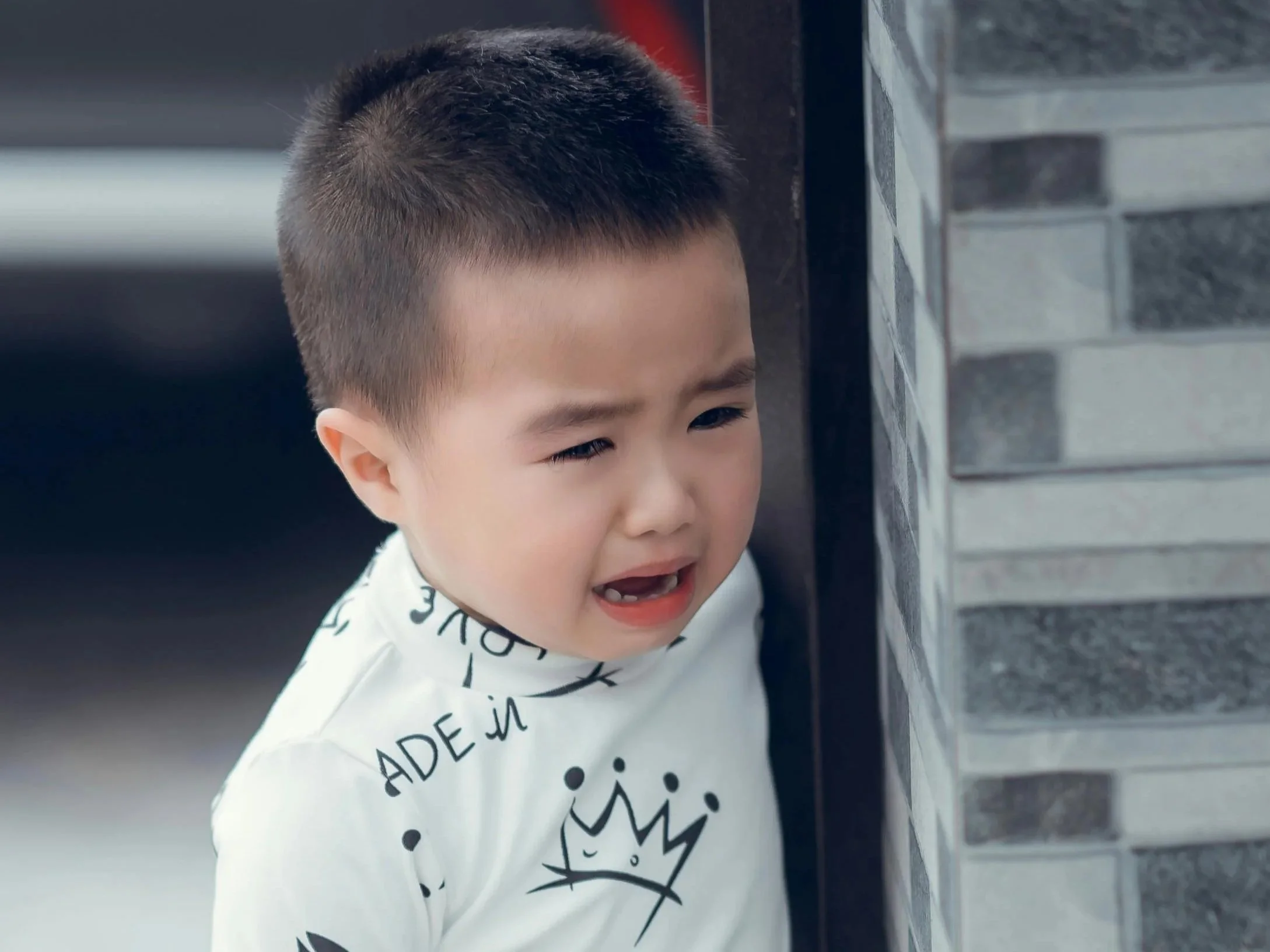
Why Do Some Kids Have Big Feelings?
Big feelings come from how a child's nervous system is wired—not from parenting mistakes.
Temperament. Some children are born with more reactive nervous systems. Their emotional volume is naturally louder, and their ability to self-soothe develops more slowly.
Brain development. The emotional brain (amygdala) develops before the thinking brain (prefrontal cortex). For big feeling kids, that gap is wider. They feel intensely before they can reason, plan, or calm themselves.
Nervous system sensitivity. Their brain detects threats faster and louder. A tone shift, a schedule change, or a disappointed look registers as danger, triggering a fight-flight-freeze response.
High empathy and awareness. Big feeling kids notice everything—your mood, the tension in the room, the shift in energy. They absorb it, and it becomes their own overwhelm.
Neurodivergence. ADHD, autism, anxiety, and sensory processing differences all amplify emotional reactivity. These aren't separate from big feelings—they often explain them.
And the research is clear: emotion regulation is a learned skill, not an automatic one. Big feeling kids need more support, more repetition, and more safety to develop it.
The Hidden Strengths of Big Feeling Kids
When we only focus on the hard parts, we miss what makes these kids extraordinary.
They feel deeply, which means they also:
Show exceptional empathy and emotional intelligence
Connect intensely with people, animals, and causes they care about
Display remarkable creativity and imagination
Have a strong sense of justice and fairness
Engage passionately when something interests them
Notice things others miss—beauty, pain, subtlety
The same sensitivity that causes meltdowns also allows them to love fiercely, create beautifully, and care deeply. Your job as a parent is to help them carry it without drowning in it.
What Makes Big Feelings Worse (The Amplifiers)
Certain environments and responses make emotional dysregulation worse. Recognizing these helps you reduce unnecessary strain.
Inconsistent responses from adults. When your reaction changes based on your mood, their nervous system can't predict safety. Unpredictability feels like a threat.
Environments with constant evaluation. School, activities, or homes where performance is constantly judged keep their stress response activated.
Lack of routine or predictability. Transitions, surprises, and schedule changes require extra regulation capacity most big feeling kids don't have in reserve.
Sensory overload. Noise, crowds, lights, textures, smells. These aren't just preferences. For sensitive nervous systems, they're sources of overwhelm.
Being told "you're too sensitive." This teaches them their feelings are wrong, which adds shame to overwhelm. Shame makes regulation impossible.
Your Role as a Parent: What You're Really Teaching
Let's reframe what you're actually doing when you support a big feeling child. You're not fixing bad behavior. You're teaching nervous system regulation—a skill their brain hasn't fully developed yet.
You're their external regulator.
Your calm nervous system helps regulate theirs. When you stay steady during their storm, you're showing their brain what safety feels like.You're building their window of tolerance.
Each time they experience big feelings and recover with your support, their capacity grows slightly. Progress is invisible day-to-day but real over time.You're showing them emotions are safe.
When you don't punish, shame, or dismiss their feelings, you teach them that emotions won't destroy them—or your relationship.You're modeling repair after rupture.
You won't get it right every time. What matters is coming back after conflict and showing them: we can disconnect and reconnect. Mistakes don't cost them your love.You're the safe person they return to.
That role is exhausting and invisible, but it's the most important one you have.
How to Support Big Feeling Kids (What Actually Works)
Here's what works when you're in the middle of it or trying to prevent the next explosion.
Connection Before Correction
Your child's nervous system needs safety before it can learn anything. A regulated adult helps regulate a dysregulated child. Your calm is contagious, and so is your stress.
Before you teach, correct, or problem-solve, connect. Get on their level. Soften your voice. Show them you're not a threat.
Name the Feeling, Not the Behavior
"You're really frustrated right now."
"That felt unfair to you."
"Your body is telling you something feels wrong."
This builds emotional awareness and shows them you see their pain, not just their behavior. That recognition alone often reduces intensity.
Co-Regulate First, Teach Later
During the storm, your only job is helping them return to baseline. That means:
Staying physically present
Breathing slowly and visibly
Reducing stimulation (lower lights, less talking, quieter space)
Offering comfort if they'll accept it, giving space if they won't
Problem-solving, consequences, and teaching only work after the emotion passes.
Lower the Bar Temporarily
During transitions, illness, developmental leaps, or family stress, reduce demands instead of increasing consequences. Recognize when their regulation capacity is temporarily lower and adjust expectations accordingly. That's wisdom, not "giving in."
Build Predictability and Routine
Predictable routines reduce the amount of regulation energy your child needs. When they know what's coming, their nervous system can relax slightly. Give advance notice before transitions. Keep bedtime and morning routines consistent. Explain changes before they happen. Structure creates safety.

Practical Regulation Tools That Help
1. The 10-3 Rule (Connection Practice)
Spend 10 minutes of intentional, uninterrupted connection within 3 feet of your child, giving them 3 minutes of your full attention.
Follow their lead. Be fully present. Show them they matter. Done consistently, this builds nervous system safety and reduces outbursts over time.
2.The 3-3-3 Rule (Grounding for Anxiety)
When overwhelm hits, help them:
Name 3 things they can see
Name 3 things they can hear
Move 3 parts of their body
This shifts the brain out of threat mode and back to the present moment.
3. The 90-Second Rule (Riding the Wave)
Neuroscience shows the chemical surge of an emotion lasts about 90 seconds. If no new thoughts fuel it, the body naturally returns toward calm.
For kids, recovery takes longer because they need adult support to stop retriggering the feeling. Your job isn't stopping emotions. It's riding the wave with them safely, without adding fuel.
Common Mistakes Parents Make (Without Knowing)
These are well-intentioned responses that backfire with big feeling kids:
Talking too much during the meltdown. Words don't reach them when the emotional brain is in control. Save the conversation for later.
Trying to logic them out of feelings. "It's not a big deal" invalidates their experience and adds shame to pain.
Punishing emotional reactions. Consequences for feelings teach kids to hide emotions, not regulate them.
Comparing them to siblings or peers. "Your brother doesn't act like this" reinforces the belief that something is wrong with them.
Waiting for them to ask for help. Most big feeling kids don't have the self-awareness or language to ask. They need you to notice and step in.
What Progress Actually Looks Like
Set realistic expectations. Progress with big feeling kids doesn't mean no more big emotions, no more meltdowns, or acting like other kids.
Progress means:
Faster recovery after dysregulation
Shorter meltdowns, not zero meltdowns
Increased self-awareness ("I'm starting to feel frustrated")
More moments where they can name feelings before exploding
Growing trust that you won't abandon them during hard moments
The goal is regulated, resilient, and connected.

When to Seek Professional Support
Many children have big feelings sometimes, and that's completely normal. But if those feelings are consistently interfering with school, friendships, or daily life, or if your child can't recover from disappointments within a day, regularly hurts themselves or others, or shows persistent shame and self-blame… then, it might be time to bring in extra support.
If strategies that work for other kids don't work for yours, or you feel completely overwhelmed, that's a signal too. Look for a therapist with an ADHD-informed or neurodiversity-affirming approach who focuses on providing evidence-based support. You want someone who involves the family, understands sensitivity and emotional reactivity as biological realities, and sees your child's intensity as something to work with, not eliminate.
What This Means for Your Child's Future
Big feeling kids who receive understanding and support often grow into deeply empathetic, creative, and emotionally intelligent adults. The intensity that is overwhelming them now? It becomes their superpower. They connect deeply in relationships. They create art, music, writing, or solutions others can't imagine. They advocate fiercely for justice and lead with compassion that others have to work to develop. Your role here isn’t to fix them or toughen them up. It’s teaching them to carry their feelings with skill instead of fear.
Programs to Support Your Family
SPACE Parenting Course:Learn strategies to reduce childhood anxiety and support emotional regulation
DBT-C Parent Group: Skills for supporting emotional independence while reducing family stress
SSP - Safe and Sound Protocol: Research-based listening therapy to help regulate the nervous system
About the Author
Suri Nowosiolski, LCSW, MSpEd, is a licensed clinical social worker with over 30 years of experience supporting families through emotional and behavioral challenges. She specializes in helping parents understand child development and use strategies that support emotional growth. Suri is the founder of Hearts & Minds Psychotherapy Group.