
FREE GUIDE
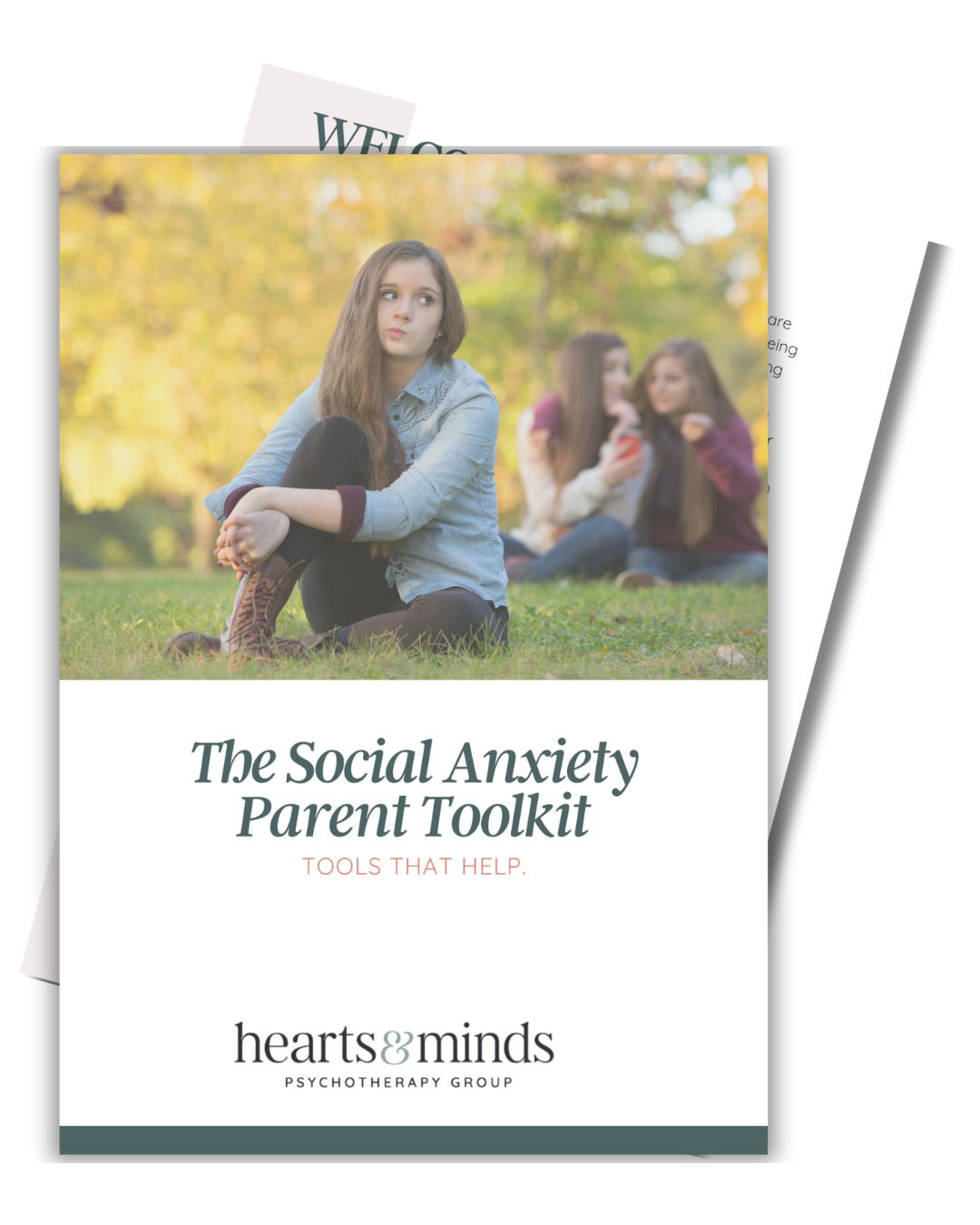
The Social Anxiety Parent Toolkit
Tools That Help Your Child Face Their Fears and Build Confidence
"I can't give the presentation—everyone will think I'm stupid." "What if I say something embarrassing at lunch?" "My stomach hurts every morning before school."
When your child struggles with social anxiety, it breaks your heart. You want to protect them, but you also know they need to learn how to navigate social situations themselves. The problem is, you're not sure how to help them face their fears without making things worse.
Help your child build social confidence, develop coping strategies, and learn to manage anxiety with our practical toolkit designed by child development specialists and anxiety experts.
Is your child avoiding social situations because they're terrified of being judged?
What Makes This Toolkit Different?
Our FREE toolkit provides practical, immediately usable strategies that focus on building your child's confidence from the inside out—moving beyond quick fixes to tools that create lasting change.
Our guide gives you science-backed strategies that:
-
Learn how to identify when your child needs extra support versus when they're just naturally reserved. Discover the key differences between temperament and anxiety patterns, and get clear guidance on when it's time to seek professional help.
-
End the guesswork about what's happening in your anxious child's mind. This proven approach helps you identify common cognitive distortions like mind reading, catastrophizing, and fortune telling—with practical ways to help your child notice and challenge these patterns.
-
Work through evidence-based approaches that help your child take small, manageable steps toward social confidence. Each tool includes what to say, what to avoid, and coaching strategies that build their capacity to face fears independently.
-
Includes guidance for managing your own anxiety as a parent, plus insights into child development that help you understand why certain approaches work better than others. You don't need to be a therapist—you just need the right tools.

Inside Your Free Guide:
-
Learn to distinguish between natural temperament and social anxiety patterns. Get clear checklists that help you identify when your child needs extra support versus when they're just naturally cautious in social situations.
-
Recognize the cognitive distortions that fuel social anxiety—from mind reading to catastrophizing. Get specific examples of what these thoughts sound like and gentle ways to help your child notice the patterns.
-
Master practical strategies for creating a supportive home environment. Learn how to validate feelings while encouraging brave actions, and discover when praise helps versus when it accidentally reinforces avoidance.
-
Clear guidance on recognizing when social anxiety has moved beyond normal childhood nervousness. Get specific red flags that indicate professional support could make a real difference for your child.
-
Understand the "why" behind each approach with child development explanations. Learn what's happening in your child's brain that makes social situations feel so threatening, and why certain responses work better than others.
